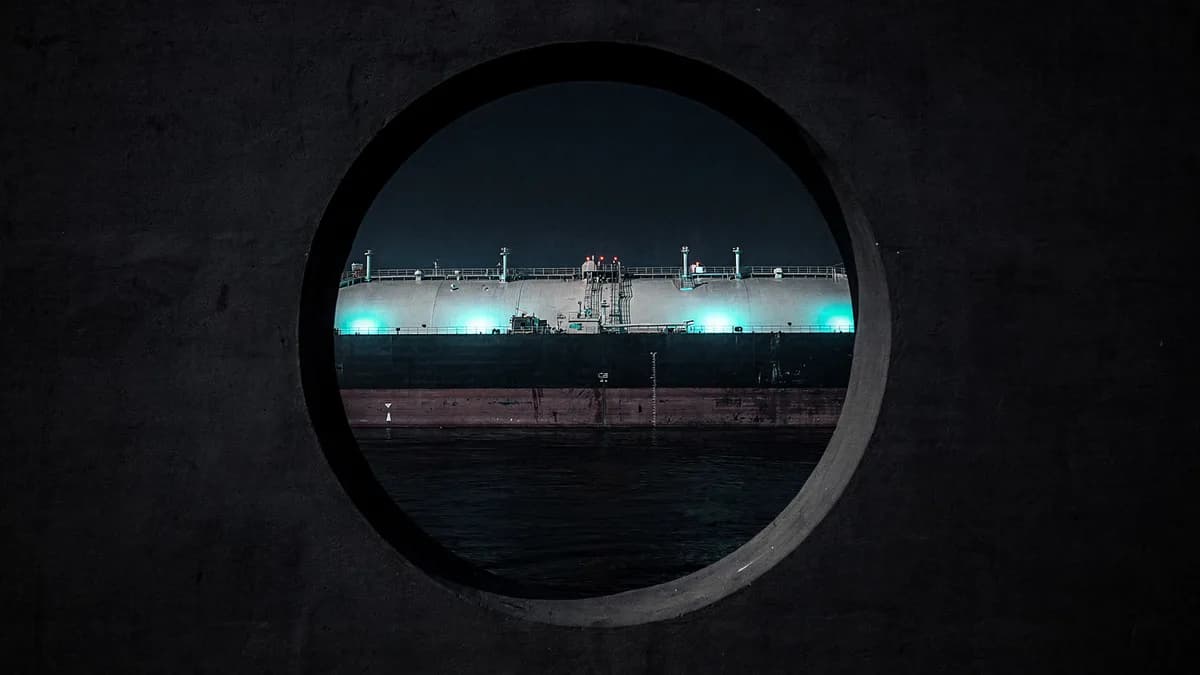
Brookings Institution has assessed that the US blockade of the Strait of Hormuz is effectively containing market volatility, even as physical supply disruptions continue. The analysis suggests that the perceived credibility of the blockade is shortening the expected duration of the closure, keeping oil prices from spiking further.
The Strait has been double‑blocked by US and Iran for three weeks, and while the conflict has stalled physical flows, Brent crude has climbed to a new high and 2027 prices remain elevated. Gas prices are now over $4 a gallon, and the savings rate sits at 3.9%.
According to BCA Research, markets are driven by the economy and also shape economic life through financial conditions, wealth effects, and input prices. Bank of America noted that higher gas prices have already eroded nearly half of the income boost from tax refunds, and that the full‑year “gas tax” could be around 0.5% of GDP. Pantheon Macro estimates that oil price increases would translate into a roughly 1% quarter‑on‑quarter, annualized decline in real after‑tax income in the second quarter. The New York Fed researchers highlighted that reliance on a single segment of the economy has important implications for spending growth and its fragility.
Robin Brooks of the Brookings Institution argued that if the blockade is credible, it may shorten the duration of the Strait’s closure, thereby reducing market panic. He also pointed out that capital flight is already occurring, further weakening Iran’s position.
Looking ahead, the continued blockade is expected to keep oil prices stable, providing a favorable backdrop for US drilling operations. European operators, however, may face higher volatility as they navigate the dual pressures of supply constraints and shifting geopolitical dynamics.